
You Know: Associations
Tripledot Studios LimitedCard
4.7580.00 Reviews
- Version
- 1.11.00
- Installs
- 500.00K
- Age Rating
- Everyone
Screenshots

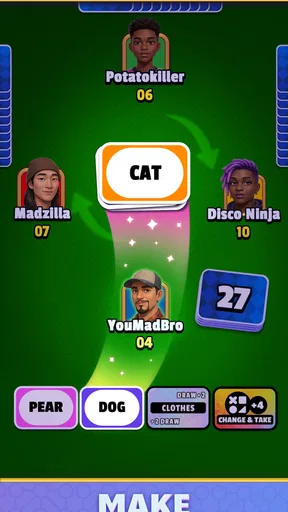
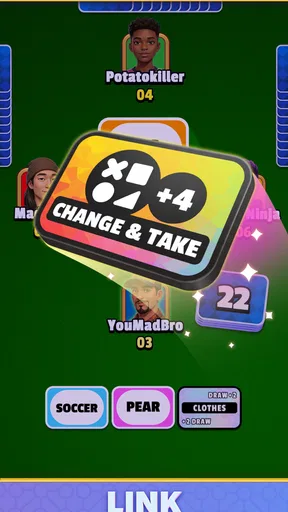
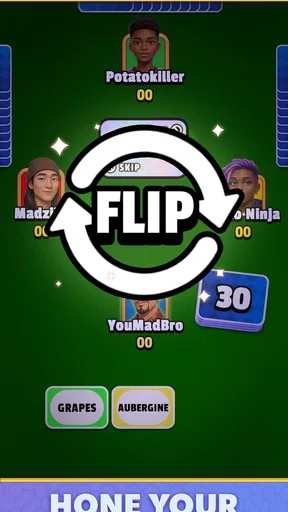




Our Review of You Know: Associations
 Analysis by Appyee
I spent time with You Know: Associations as a light multiplayer card game, and my first impression was that it aims for quick, approachable rounds rather than a heavy strategy experience. The basic appeal is easy to understand: match colors, build combinations, and decide when a move is worth more than simply playing the obvious card. That makes it a natural fit for short breaks, casual sessions with friends, or anyone who enjoys card games that can be learned without reading a long rulebook.
The game is developed by Tripledot Studios Limited and is free to play. It sits in the card category, carries an Everyone age rating, and is designed for a broad audience. Its current version is 1.05.00, while the game was released on April 10, 2026. Those details matter because this is still a relatively early product rather than a long-established card platform with years of accumulated systems around it.
How the current game feels in everyday play
The strongest part of the experience is the way color matching gives each turn an immediate point of focus. I never feel completely lost because the board state is visually readable, but I also cannot treat every playable card as equally good. A simple match may keep the turn moving, while a better combination can create a more useful position for the next exchange. That small layer of choice is what keeps the game from feeling like pure luck.
I would describe the pace as friendly to interruptions. If I have a few minutes while waiting for an appointment or taking a break from work, a card game built around recognizable colors and combinations is much easier to pick up than a strategy title that requires a long setup. The multiplayer angle also gives the game more energy than playing against a completely predictable system. Even when the rules are simple, another person’s decisions make the same cards feel less routine.
That accessibility is important for families and mixed-skill groups. A newcomer can understand the visible goal quickly, while a more experienced player can start thinking about timing, card conservation, and how to avoid giving an opponent an easy response. I would not present it as a deep competitive card battler, but it has enough decision-making to make repeated rounds more interesting than a basic matching toy.
One useful habit is to avoid spending a strong combination the moment it becomes available. I found that it is often better to consider what the move leaves behind. A flashy play can feel satisfying, yet a modest color match may preserve flexibility for the following turn. This is the kind of small tactical lesson that is easy to miss if you focus only on making the largest-looking move.
Who will get the most from it
This game makes the most sense for players who want a social card experience without a large time commitment. It is especially suitable if you enjoy familiar card-game ideas but prefer a cleaner, more colorful presentation and a shorter learning curve. Someone looking for a relaxed activity with a friend will probably appreciate the direct rules more than someone searching for a complex deck-building system.
It can also work well as a shared game for people with different levels of experience. The color-based foundation gives beginners something concrete to follow, while combinations and turn choices offer experienced players room to make better or worse decisions. In my view, that balance is more valuable than adding a long list of complicated mechanics that would make the first session intimidating.
The game is less convincing for players who need a substantial solo campaign, detailed progression, or a card collection to manage over many weeks. It is also not the first choice for anyone who wants a highly competitive game where advanced players can study a large strategic ecosystem. You Know: Associations is better understood as an accessible multiplayer diversion than as a replacement for a serious collectible card game.
What the version and release timing tell me
The current version number and recent release place the game in an early stage of its life. I see that as both an opportunity and a reason to keep expectations measured. A newer game can feel focused because it has not accumulated unnecessary layers, but it may also need time to refine its balance, multiplayer flow, and long-term reasons to return.
I would separate what is visible now from what might come later. The present experience is centered on the core card interaction: matching colors, finding combinations, and making practical choices during multiplayer play. It would be unfair to judge it as though it already had the depth of a mature card platform. At the same time, a player installing it today should evaluate the game on the quality of those fundamentals rather than on possible future additions.
For existing users, an early version can be appealing because the central rules are easier to understand before extra systems appear. It also means that regular players will notice changes more clearly as the product develops. If the developer adjusts pacing, improves matchmaking, adds more variety, or changes how combinations are rewarded, those decisions could significantly affect whether short sessions remain casual or become more competitive.
The current reception is encouraging without being overwhelming. The game has an average rating of 4.3 from around 1.9 thousand ratings, along with 129 written reviews. I read that as a sign that the basic idea is connecting with some players, while the relatively small body of feedback means I would not treat the rating as a final verdict on long-term quality.
Its reach is also still developing, with over 100 thousand installs. That is enough to show that the game has found an audience, but it does not create the same expectation of a huge, always-active community as a much older multiplayer card title. If playing with a broad pool of opponents is your main reason for installing, the quality of the live player experience may matter more to you than the simple elegance of the rules.
Small decisions that make the cards more interesting
The first non-obvious lesson is to think in terms of future options rather than immediate legality. When several cards can be played, I try to preserve choices for the next turn instead of automatically selecting the most dramatic combination. This is particularly useful when the visible color pattern suggests that a flexible card may be more valuable later than it is now.
The second is to watch the rhythm of the table. In a multiplayer game, a move can change what the next player is likely to do. If I make a choice that leaves an easy color match, I may be helping the following player more than myself. That does not mean every turn should become defensive or slow; it simply adds a reason to examine the result of a play, not just the card being placed.
The third is to use the game as a social activity rather than treating every round as a test of perfect skill. Because the rules are approachable, the fun can come from discussing a risky move, teaching a new player, or comparing different interpretations of the best play. This is a genuine strength for casual groups, but it also explains why the experience may feel too light for someone who wants constant pressure and highly technical decisions.
A practical everyday scenario would be a short evening session with a friend after dinner. Neither player needs to prepare a deck or spend time learning a large ruleset. You can start with the color logic, then gradually pay attention to combinations and timing as the rounds continue. If one person is new to card games, the other can explain decisions while playing instead of turning the first session into a tutorial lecture.
Where it differs from familiar alternatives
Compared with a traditional card game, this title puts more emphasis on visual matching and immediate accessibility. Traditional games can offer elegant rules, but they often assume that players already know the value of suits, ranks, or established combinations. Here, the color structure gives the action a more welcoming entry point. I think that makes it easier to introduce to someone who normally avoids card games.
Compared with a collectible card game, it is much less demanding in preparation and long-term maintenance. There is no need to think about constructing a competitive deck before the first meaningful session. That is a benefit if you want to play immediately, but it is also the reason the game may not satisfy people who enjoy building an identity around a carefully tuned collection.
Compared with a purely luck-driven matching game, the combination and timing elements give me more ownership over the outcome. I still cannot control every card or every opponent decision, but I can choose whether to spend a useful option now or retain it for a better moment. That middle ground is probably the game’s clearest identity: more thoughtful than a basic matching activity, less demanding than a full strategy card platform.
The trade-off is replay depth. A focused ruleset is easier to learn and quicker to share, yet it can also make repeated sessions feel familiar sooner. Players who need constant new objectives may prefer an alternative with campaigns, unlockable content, or a larger strategic framework. I would choose this game when convenience and social accessibility matter more than a long-term progression ladder.
Questions I would consider before installing
If you are wondering whether it is genuinely free to start, yes, the listed price is free. That makes it easy to try without committing money upfront. I would still approach any free multiplayer game with the normal expectation that the overall experience may evolve as the developer continues working on it, rather than assuming the first version will represent its final shape.
If device compatibility is a concern, the listed minimum operating system is Android 7.1. That gives the game a broad technical starting point for older Android devices, although actual comfort will still depend on the phone’s performance and how smoothly it handles online play. I would install it on an older device only if the multiplayer connection and touch response feel reliable in practice.
If you are asking whether children can use it, the Everyone rating makes it suitable for a broad age range. The more important question for a family is whether the children enjoy turn-based card decisions and multiplayer interaction. Younger players may understand color matching quickly, while the strategic value of saving a combination may take a few rounds to become clear.
If you want to know whether it replaces a more serious card game, my answer is no. It can complement one, especially when you want a quick session without deck preparation, but it is not the right substitute for players who value deep collection management or a highly developed competitive scene. Its appeal comes from reducing friction, not from overwhelming you with content.
Finally, if you are deciding whether to return after the first session, pay attention to how much you enjoy making small tactical choices. If you like considering the next turn and reacting to another player, the core loop has a fair chance of holding your attention. If the first few rounds feel too repetitive even after you experiment with timing and combinations, additional familiarity is unlikely to solve that basic mismatch in taste.
What I would watch as the game develops
The most important thing I would watch is whether the multiplayer experience stays welcoming while gaining enough variety to support repeat play. Those goals can conflict. More complexity may give experienced users additional reasons to return, but too many layers could weaken the simple entry point that currently makes the game approachable.
I would also pay attention to how future updates affect the value of careful play. The strongest version of this concept should reward players for reading the table and managing options without making every round feel like a calculation exercise. If the balance favors only the largest combination or the luckiest draw, the strategic promise becomes less meaningful.
For new users, I recommend starting with a few relaxed rounds and deliberately trying different approaches. Play one session by using combinations quickly, then another by preserving flexible cards and watching what happens after each move. That experiment will tell you more about the game’s real depth than simply judging it from the first match.
My overall view is positive but appropriately measured. You Know: Associations is at its best when you want a friendly multiplayer card game that starts quickly and gives simple color matches a little tactical weight. Its free entry, Everyone rating, and accessible rules make it easy to recommend for casual groups, families, and players who do not want to study a complicated card system.
I would skip it if your priority is a rich solo adventure, a serious deck-building hobby, or a large competitive ecosystem with years of established depth. For everyone else, especially someone looking for a short social game during an ordinary day, it is worth trying. The core is clear, the decisions are more interesting than the colorful presentation first suggests, and the early version leaves room to see whether the developer can turn a pleasant quick-play experience into something with lasting variety.
Privacy and Permissions
See what permissions an app requests and how it handles your data.
- Wi-Fi connection information
- view Wi-Fi connections
- Other
- view network connections, full network access, control vibration, prevent device from sleeping, Google Play license check
Verdict
Strengths of You Know: Associations
- Simple association puzzles are easy to learn and play casually.
- Short rounds make it suitable for quick breaks or commutes.
- Word connections can help exercise memory and lateral thinking.
- Progression provides a satisfying sense of achievement.
- Clean gameplay keeps the focus on solving each challenge.
Limitations of You Know: Associations
- Some puzzles may feel subjective when several answers seem possible.
- Difficulty can vary noticeably between consecutive levels.
- Repeated word patterns may reduce the challenge over time.
- Hints or extra attempts may be limited during tougher puzzles.
- Players seeking action or rich visuals may find it too simple.
Other Releases by Tripledot Studios Limited
View All
Woodoku - Wood Block Puzzle
Puzzle4.2

Get Color - Water Sort Puzzle
Puzzle4.8


Nut Sort: Color Sorting Game
Puzzle4.8
Similar Picks in This Category
View All
Solitaire - Classic Card Games
MobilityWare4.6

UNO!™
Mattel163 Limited4.3

Spider Solitaire: Card Games
MobilityWare4.6
Solitaire.com - Classic Cards
Tripledot Studios Limited4.7

Plants vs. Zombies™ Heroes
ELECTRONIC ARTS4.1

Hearthstone
Blizzard Entertainment, Inc.4.1
Frequently Asked Questions
What is You Know: Associations?
You Know: Associations is a word-association puzzle game designed around connecting related ideas. Each challenge presents clues or words that you must link through a common concept, testing vocabulary, logic, and general knowledge. The gameplay is easy to understand, but later puzzles can become surprisingly challenging, making it suitable for short sessions as well as longer periods of relaxed brain training.
How do you play You Know: Associations?
To play, examine the words, images, or clues shown in each puzzle and determine what they have in common. You then select or enter the association that connects them. Some answers are direct, while others require lateral thinking or knowledge of familiar expressions. If you get stuck, the game may provide hints or assistance, although using these options can reduce the challenge and, depending on the version, may involve in-game resources.
Is You Know: Associations free to download and play?
You Know: Associations can generally be downloaded without an upfront purchase, allowing users to try the core puzzles before deciding whether to continue. However, free versions of puzzle games commonly include advertising, optional purchases, or paid hint packages. Availability of these features can vary by platform and region, so it is worth checking the Google Play Store or Apple App Store listing for current pricing and purchase details.
Does You Know: Associations require an internet connection?
The basic puzzle experience may work without a constant internet connection, which is convenient for playing while traveling, commuting, or in areas with limited coverage. Nevertheless, an internet connection may be needed for advertisements, synchronization, updates, leaderboards, or certain bonus features. Before relying on offline play, download the game and test a few levels with mobile data and Wi-Fi disabled.
Is You Know: Associations suitable for children and families?
The game is generally approachable for families because it focuses on language, associations, and problem-solving rather than action or complex controls. Younger players may still encounter clues involving advanced vocabulary, cultural references, or abstract connections. Parents should review the store rating and privacy information, particularly if children will play independently, and remember that advertising or optional purchases may be present in the free version.
Play our best games!


